
Understanding the Cold War Through Scholarship, Testimony,
and Public Engagement
The National Institute for Cold War Studies is a nonprofit research organization and discovery platform for Cold War history — advancing scholarship, preserving personal testimonies, and connecting historians, veterans, educators, and the public with primary sources and research tools.
How NICWS Advances Cold War Scholarship
The Cold War shaped the modern world — yet much of its history remains unexamined, underrepresented, or inaccessible. NICWS brings together scholars, veterans, and researchers to preserve primary sources, produce serious scholarship, and make Cold War history available to a wide audience.
NICWS pursues its mission through five core institutional activities that connect researchers, preserve historical testimony, and share knowledge with a broad public.
Community and Fellowship
A professional home for historians of all backgrounds — academic, independent, and lay — built on collegial discourse and mentorship across regional and institutional lines.
Scholarly Collaboration
A platform for members to share research through blogs, podcasts, articles, and major publications, expanding the collective understanding of the Cold War.
Research and Collections
Active collection, analysis, and cataloging of primary and secondary sources, with particular emphasis on personal testimonies from Cold War participants.
Outreach & Resources
Educational and research resources for students, educators, journalists, and policymakers — including research guides, timelines, and connections to partner institutions.
Cold War, Then and Now
A moderated forum where historians offer informed perspectives on the Cold War’s legacy and its relevance to contemporary affairs.
Featured Research and Resources
NICWS produces and curates Cold War scholarship and research tools for historians, educators, and the public. The following resources are available now.
Fighter Pilot Podcast Episode Catalog
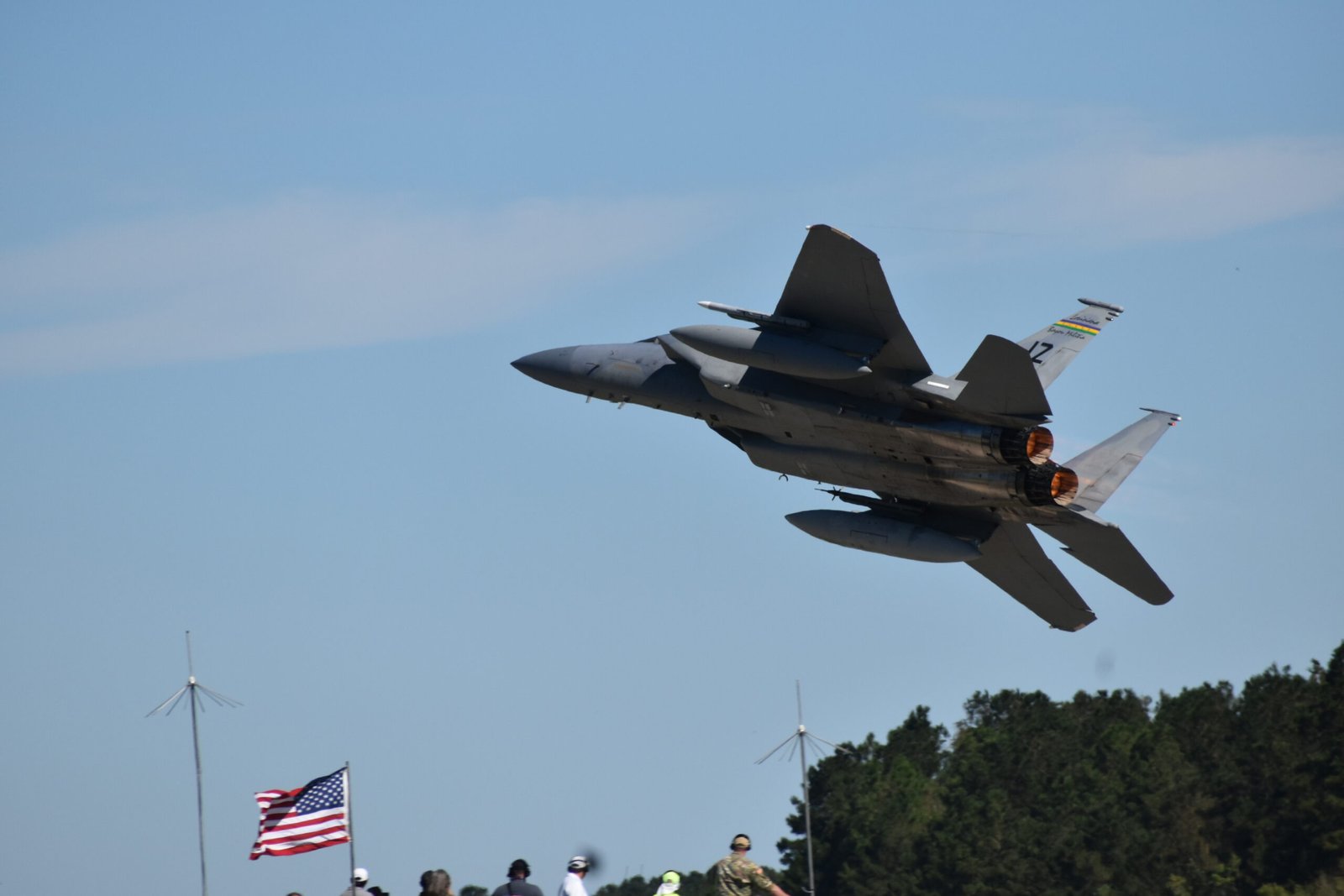
A curated catalog of episodes from the Fighter Pilot Podcast — one of the most significant oral history resources on Cold War military aviation available to the public. Over 200 interviews with military aviators, many of whom served during the Cold War.
Suggested Works: A Cold War Historiography Guide
An annotated bibliography of essential Cold War scholarship, organized to guide researchers and students through the major works and methodological traditions of the field.
Current Research Projects
NICWS has several active research initiatives underway. Current projects include a comparative study of Cold War ideologies, American Christian missionaries behind the Iron Curtain, the development of the U.S. Navy LAMPS program, and Gulf Coast Cold War shipbuilding at Avondale and Ingalls shipyards.
Research Guides
Practical guidance for Cold War researchers using federal archives, presidential libraries, NARA, and FOIA processes. Coming 2026.
Help Preserve Cold War History
Millions of people experienced the Cold War through military service, government work, industrial labor, and daily life. Their stories are primary historical sources — and many are being lost to time. NICWS is building a permanent archive of personal testimonies to preserve these experiences for historians and future generations. If you served, worked, or lived through the Cold War — or if a family member did — we invite you to share that story with us.
Institutional Highlights
The National Institute for Cold War Studies is an IRS-recognized 501(c)(3) nonprofit historical research institute dedicated to advancing Cold War scholarship, preserving personal testimony, and connecting historians, veterans, educators, and the public.
In just two years NICWS has:
- Submitted a manuscript to Routledge (January 2026) on the Reagan military buildup, currently in production
- Established a working relationship with the Fighter Pilot Podcast (121,000+ subscribers)
- Currently developing a dynamic Cold War testimony archive as a permanent research resource
- Initiated public history programs including oral history collection events and educator resource development
- Begun development of a semester-based internship program for Fall 2026 launch
Latest from NICWS
New Research Resource: Fighter Pilot Podcast Episode Catalog
Perspectives: Ronald Reagan’s Military Buildup in Contrast
An icon of the later Cold War, Ronald Reagan’s military buildup was an expression of his worldview and a key focus of his presidency….
Grade the AI: Origins of the Cold War Pt. 1
The emergence of AI presents some real challenges both to historians and educators. The capability to quickly synthesize vast amounts of data from a…
Follow NICWS on Social Media
Each month NICWS explores a new chapter of Cold War history through archival images, historical analysis, and public engagement. Join the conversation on our social media platforms.
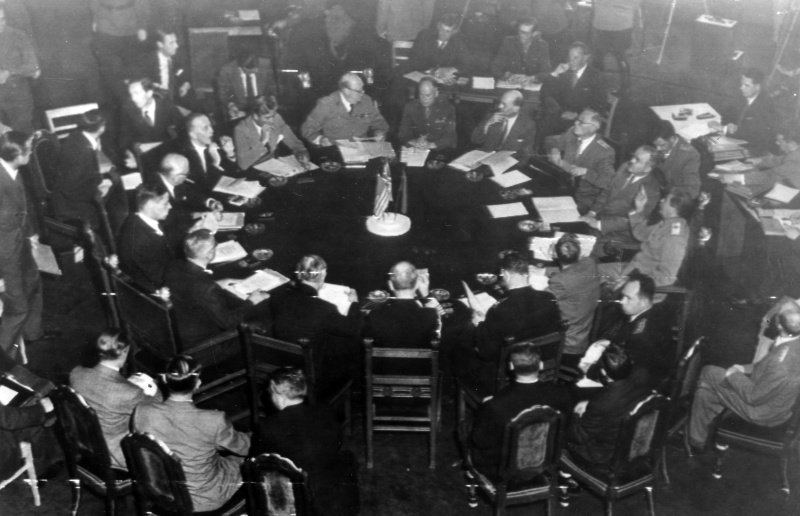
Cold War Origins — The Potsdam Conference, 1945
The Potsdam Conference, 1945. Where wartime alliance began giving way to Cold War rivalry.
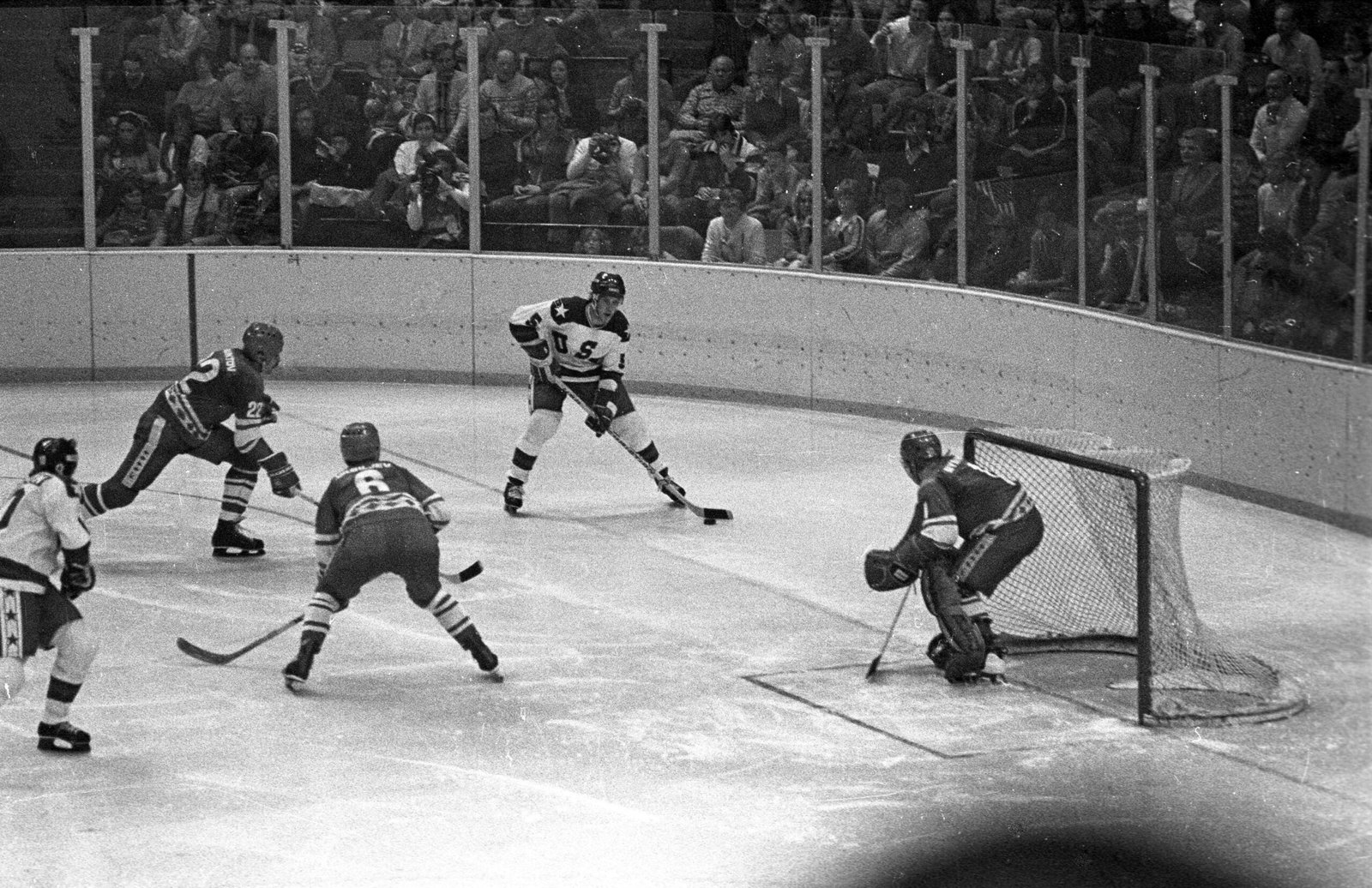
Superpower Rivalry — The 1980 Winter Olympics
USA vs. Soviet Union, 1980 Winter Olympics. A 4-3 victory that resonated far beyond the ice.
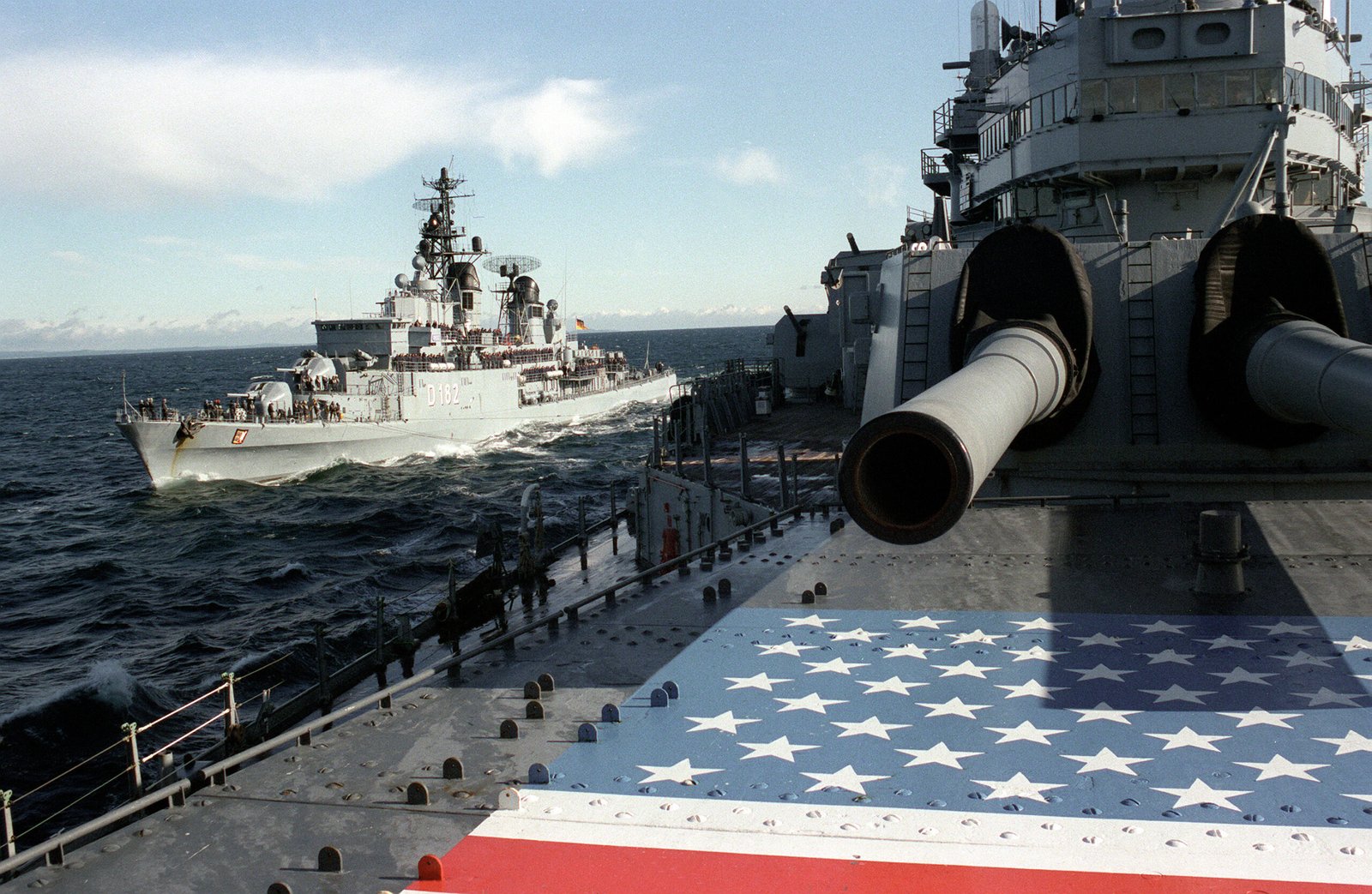
NATO Alliance & Cold War Cooperation — USS Iowa and FGS Schleswig-Holstein, 1986
Most alliances dissolve when the crisis passes. NATO proved different. This image captures USS Iowa refueling West German destroyer FGS Schleswig-Holstein during NATO Exercise Northern Wedding, 1986 — allied forces training to fight together if conflict came.